Discover the Best Fishing Charters: What to Expect and How They Operate
Fishing charters offer a unique way to experience the adventure of angling, suitable for both newcomers and experienced fishermen. These trips come in various formats, each offering specific opportunities to catch multiple species. Understanding the details of fishing charters can enhance the experience. Yet, potential participants ought to consider several factors before beginning on this aquatic voyage. What insights will help in selecting the right charter for an unforgettable experience?
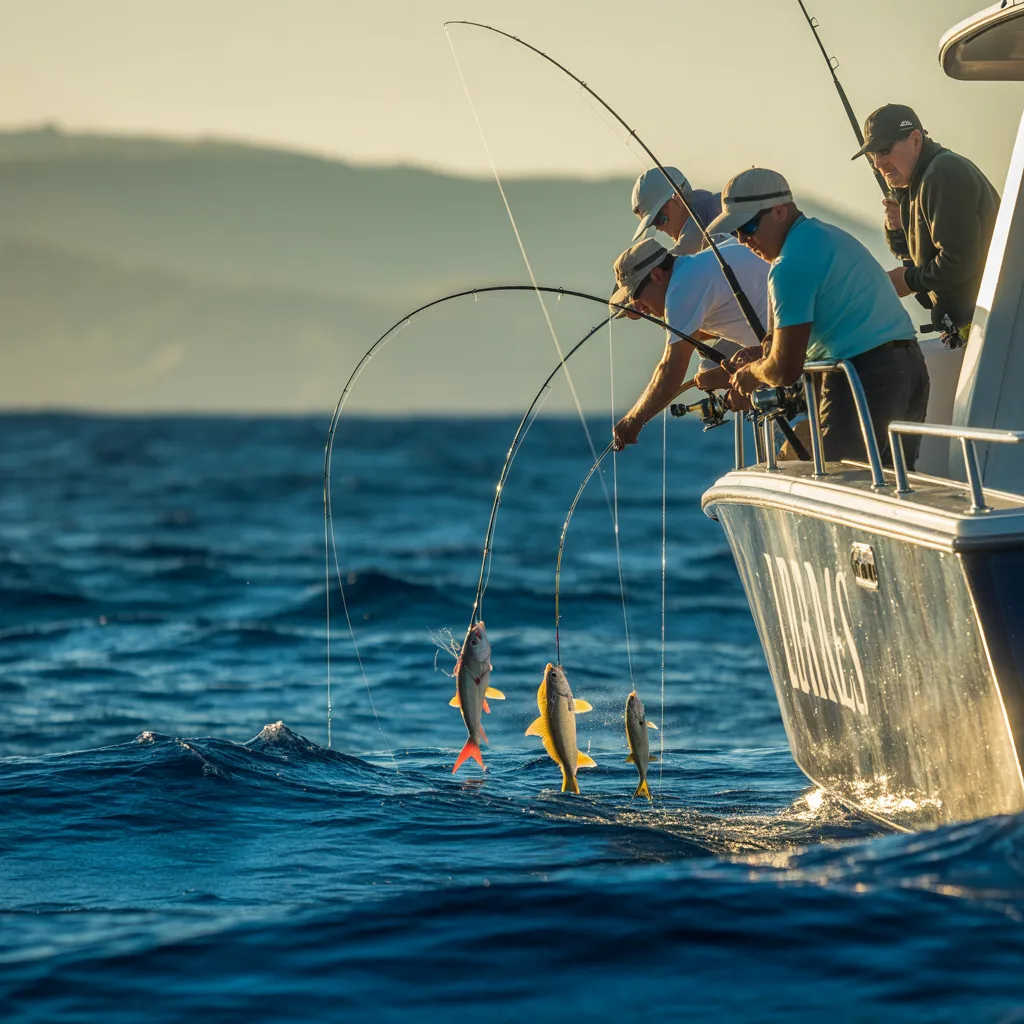
Fishing Charters Explained: What Are They and Who Can Benefit?
Fishing charters are dedicated services offering individuals or groups access to engage in fishing activities, typically guided by skilled professionals. These charters cater to a range of skill levels, from novices seeking an introduction to fishing to expert anglers looking to improve their skills or reach specific fishing locations.
Normally, fishing charters offer a range of packages, which may include morning or afternoon and full-day trips, equipment leasing, and local insight of the best fishing locations. Customers can opt for between inshore, offshore, or specialty fishing adventures, determined by their goals and the type of fish they wish to catch.
These services cater to families, corporate groups, and fishing enthusiasts, providing a fun and educational experience while promoting bonding and teamwork. Through fishing charters, participants can enjoy the beauty of nature while participating in a recreational activity that fosters relaxation and adventure.
What Are the Most Popular Types of Fishing Charters?
When examining the best types of fishing charters, two primary options stand out: inshore fishing charters and deep sea fishing trips. Inshore charters typically cater to those seeking a more accessible experience, often targeting species closer to the shore. In contrast, deep sea trips provide the thrill of fishing in open waters, where larger and more diverse fish can be found.
When considering the best types of fishing charters, two primary options stand out: inshore fishing charters and deep sea fishing trips. Inshore charters usually appeal to those looking for a more accessible experience, often targeting species closer to the valuable resource shore. In comparison, deep sea trips offer the adventure of fishing in open waters, where bigger and more diverse fish can be found.
When examining the top types of fishing charters, two key options stand out: inshore fishing charters and deep sea fishing trips. Inshore charters commonly serve those wanting a more approachable experience, often targeting species closer to the shore. In contrast, deep sea trips present the excitement of fishing in open waters, where more substantial and more different fish can be found.
Shallow Water Fishing Charters
Inshore fishing charters provide a convenient method for anglers to engage with various marine life while enjoying the calm waters along the shore. These charters generally target species including redfish, snook, and flounder, making them excellent for both inexperienced and experienced fishermen. The trips often take place in bays, estuaries, and near coastal reefs, offering a unique opportunity to explore different habitats. Inshore charters are typically shorter in duration, permitting anglers to return to the dock within a few hours. Many operators supply all essential equipment, including rods, reels, and bait, simplifying the process for participants. All in all, inshore fishing charters represent an outstanding option for those looking to enjoy fishing without venturing far from land.
Saltwater Fishing Trips
For anglers seeking a more adventurous experience, deep sea fishing trips offer an opportunity to venture far beyond the shoreline. These charters generally operate in deeper waters, targeting larger species such as tuna, marlin, and shark. Experienced captains and crew guarantee that participants are well-equipped for the challenges of the open sea. Charters can vary in duration, ranging from half-day excursions to multi-day adventures, catering to different skill levels and preferences. Amenities often include fishing gear, bait, and sometimes even meals, improving the overall experience. Furthermore, deep sea fishing trips often offer spectacular views and the chance to encounter marine wildlife, making them a memorable choice for fishing enthusiasts. Each trip promises excitement and the potential for a trophy catch.
What You Should Expect for Charter Expenses?
When examining fishing charters, comprehending the costs involved is vital. Multiple factors determine charter prices, including the type of boat, duration of the trip, and the number of passengers. A typical cost breakdown can assist potential customers plan effectively for their fishing experience.
Factors Influencing Charter Costs
While several factors can impact the cost of fishing charters, understanding these elements is vital for prospective anglers preparing their trips. Geographic location plays a considerable role, as charters in well-known fishing destinations generally command higher prices. The type of fishing experience available, whether inshore or offshore, also affects costs, with offshore trips typically being more expensive due to longer travel times and additional fuel expenses. Charter size and capacity affect pricing; larger vessels accommodating more passengers often result in elevated fees. Seasonal demand can further impact costs, with peak seasons producing higher prices. Additionally, the inclusion of amenities such as gear rental, food, and beverages can add to the total expense of the charter experience.
Average Cost Analysis
Grasping the standard cost structure of fishing charters is crucial for anglers planning their trips. Charter costs generally fall into several categories: the base fee, which often fluctuates by the type of fishing and the size of the vessel; fuel expenses, which can vary based on distance traveled; and additional expenses such as bait, tackle, and licenses. Most charters also include compensation for the crew, typically ranging from 15% to 20% of the total cost. Seasonal demand can further influence pricing, with peak times often demanding higher rates. Finally, anglers should assess any optional add-ons, such as catering or special equipment rentals, which can significantly impact the overall cost of the fishing experience.
Vital Equipment for Your Fishing Charter
A successful fishing charter demands meticulous preparation, and having the right gear is essential for optimizing the experience. Anglers should commence with a high-quality fishing rod and reel appropriate for the type of fish they aim to catch. Knot-tying equipment and tackle boxes stocked with assorted lures, hooks, and weights are also essential for adaptability during the trip.
Proper clothing, including sun protection and waterproof gear, guarantees comfort, while polarized sunglasses aid in reducing glare and improve visibility in the water. Additionally, a cooler for storing caught fish and refreshments is vital for an enjoyable day on the water.
Lastly, personal items including a fishing license and a first-aid kit shouldn't be ignored. By gathering this essential gear, participants can enhance their fishing charter outing and boost their likelihood of a fruitful catch.
Safety Protocols for a Safe Fishing Experience
How can anglers guarantee their safety while enjoying a fishing charter? To begin with, they should select a reputable charter company with experienced crews and well-maintained vessels. It is essential for anglers to learn about the boat's safety equipment, including life jackets, first aid kits, and fire extinguishers. Before departure, they should take part in a safety briefing, understanding emergency procedures and the layout of the boat.
In addition, anglers need to be mindful of weather conditions, as turbulent seas can pose significant risks. Wearing proper clothing and using sunscreen can help safeguard against the elements. Keeping hydrated and consuming light meals can also contribute to overall wellness during the trip.
Lastly, maintaining transparent communication with the crew is crucial; they are trained to handle emergencies and can deliver assistance as required. By complying with these guidelines, anglers can guarantee a safer and more enjoyable fishing trip.
Maximize Your Catch: Effective Approaches and Strategies
Once safety on a fishing charter, optimizing the catch becomes the next priority for anglers. Effective techniques include selecting the right bait, which should mimic the natural prey of the target species. Anglers should also consider the time of day; early mornings and late afternoons frequently deliver better results. Understanding local fishing regulations and seasonal patterns enhances the chances of success, as fish behavior can change significantly throughout the year.
Using different fishing approaches, including trolling, bottom fishing, or fly fishing, can be beneficial based on the conditions. Furthermore, keeping patience and persistence is important; fish may not bite immediately. Communication with the charter crew can deliver valuable knowledge, as experienced captains often share recommendations on the best spots and techniques. All in all, a combination of knowledge, strategy, and adaptability will substantially enhance the probability of a rewarding fishing experience.
Picking the Best Fishing Charter for Your Trip
In choosing the perfect fishing charter for an trip, anglers should weigh several key factors to ensure an enjoyable experience. First, they should check the charter's reputation by checking reviews and testimonials from former clients. This feedback can give information into the crew's expertise and the success rate of fishing trips. Next, anglers should consider the type of fishing provided, including deep-sea, inshore, or freshwater, verifying it corresponds to their preferences.
Additionally, it is crucial to question regarding the boat's amenities and safety features. A properly maintained boat fitted with necessary safety gear increases security and ease during the trip.
Finally, budget considerations play a significant role; anglers should evaluate prices and inclusions, such as gear rental and bait. By assessing these factors, anglers can make an informed decision, ensuring a memorable and productive fishing charter experience.
Frequently Asked Questions
Can I Bring My Own Fishing Gear on the Charter?
The majority of fishing charters welcome guests who wish to bring their own fishing tackle. Nevertheless, it's recommended to verify with the charter service in advance to ensure adherence to their guidelines and any required equipment specifications.
Are Food and Drinks Included in the Charter Package?
Food and drinks are not always included in fishing charter packages. This depends on the charter service, so guests should check ahead of time to ensure they have enough provisions for their trip.
What Takes Place When Weather Conditions Are Unfavorable on Charter Day?
If weather conditions are adverse on charter day, the company typically postpones the charter or offers a full refund. Safety remains as the top priority, making certain that all participants are shielded from adverse conditions.
Do Charter Services Provide Fishing Licenses?
Charter services typically provide fishing licenses for their clients, ensuring compliance with local guidelines. This convenience allows anglers to focus on their experience without having to deal with obtaining individual licenses in advance of participating in the fishing excursion.
Do All Charters Require Catch and Release?
Not all charters require catch and release; regulations vary by location and species. Certain charters promote this practice for conservation, whereas others permit keeping specific catches, depending on local fishing laws and guidelines.